As the cost of groceries, gasoline, household supplies, and other necessities continues to pressure family budgets, many consumers are searching for practical ways to make their money go further.
One increasingly popular strategy is using cash-back and rewards programs. These programs do not replace a paycheck or solve every financial problem, but when used carefully, they can help consumers recover a portion of the money they already spend.
Small Savings Can Make a Meaningful Difference
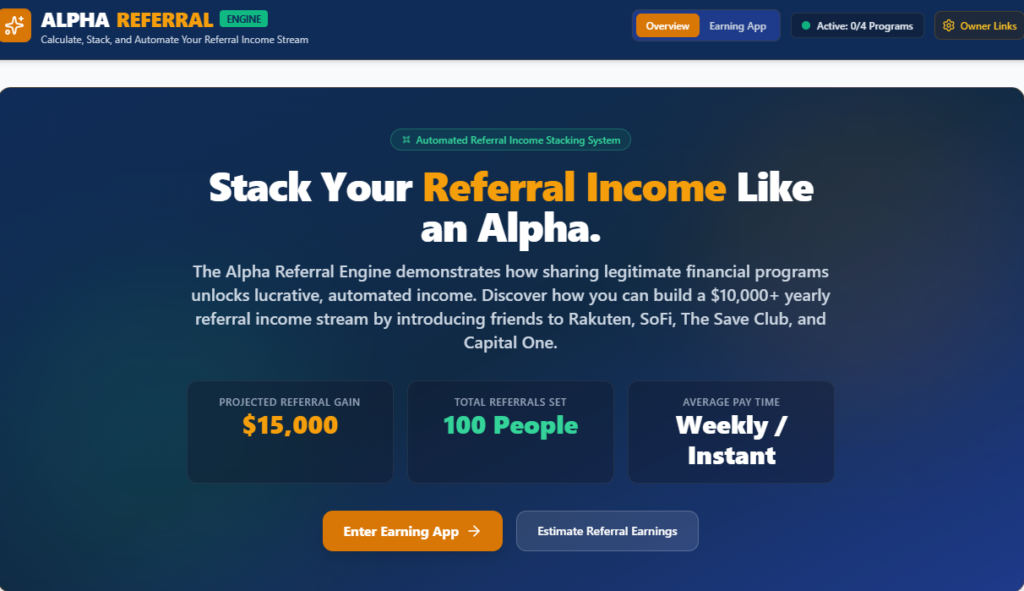
We Flip that Script Using The Cashback Referral Bonuses to create cashflow.
We view Cash-back programs rewards referrals as a way consumers at the bottom of the economic pyramid can boost their cashflow almost instantly.
By stacking the referral bonuses, we show individuals how to cash out these bonuses with almost $15,000 in usable income.
for completing eligible purchases through an app, website, retailer, or participating service. Depending on the program, rewards may be earned on groceries, gasoline, online shopping, travel, household products, and other everyday expenses.
For a family living on a tight budget, even modest rewards can be useful. Five dollars returned from a grocery purchase or a few dollars saved at the gas pump may appear insignificant by itself. But when those small amounts are collected consistently, they can help pay for another meal, a prescription, transportation, or an unexpected expense.
Consumer finance experts frequently emphasize that small, repeated financial changes can add up over time. Current money-saving guidance also recommends combining legitimate discounts, store sales, and cash-back opportunities when they apply to purchases a consumer already planned to make. Financial sites describes this approach as “stacking” different forms of savings to improve the final deal.
The important word is planned. Cash back works best when it rewards necessary spending—not when it becomes an excuse to buy more.
How Cash-Back Programs Can Stretch a Budget
There are several ways these programs may help:
1. Reducing the net cost of necessities
Grocery and fuel rewards can lower the effective cost of essential purchases. Some supermarket loyalty programs also allow shoppers to earn fuel points or receive store-specific discounts. Consumer Reports recommends comparing prices, planning purchases, and using available retailer rewards as part of a broader grocery-saving strategy.
2. Turning routine purchases into future savings
When consumers earn cash back from something they were going to purchase anyway, the reward can be set aside for a later bill or household need. This changes cash back from “extra spending money” into a small financial resource.
3. Helping create an emergency cushion
A person might transfer every cash-back payment into a separate savings account. Ten dollars here and twenty dollars there can gradually create a small buffer for a flat tire, utility bill, copayment, or other unexpected cost.
Cash-back rewards should not be treated as a complete emergency fund, but they can help someone begin building one.
4. Encouraging greater awareness of spending
Using cash-back apps often requires shoppers to review offers, compare prices, save receipts, and pay attention to where their money goes. That awareness can help consumers make more intentional buying decisions.
However, the reward should always be calculated against the total price. A product offering cash back may still cost more than a comparable store brand without a reward.
A Simple Strategy: Save First, Earn Second
The most responsible way to use cash-back programs is to begin with personal value.
Before joining a program, consumers should ask:
- Does this program offer rewards on products I already buy?
- Are there fees or purchase requirements?
- How and when can rewards be withdrawn?
- Is there a minimum cash-out amount?
- Will I be tempted to spend more just to earn a reward?
- What personal information does the app collect?
This “save first” approach is more practical than chasing large promotional claims. It keeps the household budget—not the reward program—in control.
Cash Back Should Never Create Debt
Cash-back credit cards require special caution. A reward of 1%, 2%, or even 5% can quickly lose its value if the cardholder carries a balance and pays interest.
The Consumer Financial Protection Bureau warns that rewards programs can be complex and that consumers may encounter changed terms, lost benefits, or difficulty redeeming what they earned. Its guidance makes clear that companies must accurately explain and deliver advertised rewards. Consumer Financial Protection Bureau
A good rule is simple: do not buy something solely to receive cash back, and do not carry expensive debt in pursuit of rewards.
Consumers Should Also Protect Their Information
Cash-back applications may collect information about shopping behavior, location, purchases, or device activity. Before signing up, consumers should read the privacy policy, review the permissions requested, and use a strong password.
The Federal Trade Commission advises consumers to check how websites and apps collect and use their information and to adjust privacy settings where possible.
Consumers should also be suspicious of anyone asking for an upfront payment to release cash-back rewards, requesting account credentials, or promising guaranteed income. Legitimate programs should clearly explain their rules, eligibility requirements, and redemption process.
Making Multiple Programs Easier to Manage
One difficulty is that cash-back opportunities are scattered across numerous websites and apps. Consumers may forget which programs they joined, overlook available offers, or lose track of referral links and withdrawal requirements.
That is one reason I created the Alpha Referral Engine. It provides a convenient way for people to access and organize selected cash-back and referral programs from their phones.
The Alpha Referral Engine does not guarantee earnings, and results will vary according to each program’s terms, qualifying purchases, referral requirements, and individual participation. Its purpose is to make legitimate opportunities easier to find, understand, organize, and share.
Cash Back Is a Tool—not a Miracle
Cash-back programs cannot replace stable employment, affordable housing, sufficient wages, or long-term financial planning. They should not be presented as a cure for poverty or a guaranteed source of income.
But that does not mean they have no value.
For a consumer trying to stretch a limited budget, a few dollars saved on groceries or gasoline can matter. When several responsible savings methods are combined—and the rewards are protected instead of immediately spent—the results may become more meaningful.
Cash back is money that many consumers may be leaving on the table. Used wisely, it can help reduce the cost of everyday life, create small financial victories, and provide a practical starting point for building a little more breathing room.
The goal is not to spend more to earn rewards. The goal is to receive more value from the money you already need to spend.