

Key Takeaways
Daily spending habits are shifting toward automated programs that return value to the user. This article explains how these tools function as psychological interventions to improve financial health and how businesses align these mechanisms with user acquisition goals.
-
Automated rewards turn routine transactions into tangible financial wins.
-
Brands reduce acquisition costs by paying for verified purchase conversions.
-
The striatum in the human brain interprets immediate payouts as positive reinforcement.
-
Fragmentation in retail data is being bridged by direct transaction tracking.
-
Advertising budgets are moving from passive social impressions to intent-based transactional environments.
The evolution of cashback rewards in the digital economy
Modern commerce relies on a constant flow of digital incentives that reward consumers for every swipe. Consumers no longer need to hunt for paper coupons or manually clip discounts to save on everyday essentials. This digital migration simplifies the path to value, allowing platforms to integrate savings directly into the user experience. By digitizing these processes, the ViralCashz System positions itself to help users manage their resources more effectively by consolidating multiple savings streams into one accessible interface.
From simple coupon clipping to automated digital savings
Physical coupons have given way to seamless digital triggers that occur in the background of everyday transactions. Technologies now facilitate instant processing, removing the manual labor that previously defined bargain hunting. This shift mirrors the convenience of modern cashback platforms that automatically credit accounts based on store-specific partnerships.
The role of mobile apps in modern shopping habits
Mobile devices act as the primary nexus for consumer financial interaction and incentive management. Apps provide persistent access to promotional data and personalized offers that adapt to specific shopping preferences. By embedding these capabilities, mobile platforms reduce the cognitive effort associated with saving, keeping financial goals within reach during every purchase event.
Integrating banking and retail ecosystems
Retail and banking networks have coalesced to create unified environments where spending events trigger immediate financial feedback. This integration relies on deep data pipelines that link the moment of purchase with the disbursement of promotional funds. Such structures benefit consumers by providing a cohesive view of their savings while offering merchants reliable data on consumer behavior.
How brands use cashback rewards to acquire customers
Marketing departments have pivoted toward performance-led strategies that prioritize verifiable engagement over theoretical reach. Brands utilize Alpha Referral Engine to organize their incentive delivery and ensure that customer acquisition remains tied to actual purchase outcomes. This approach moves money away from ambiguous display ads and directly into the hands of the individuals completing the transaction.
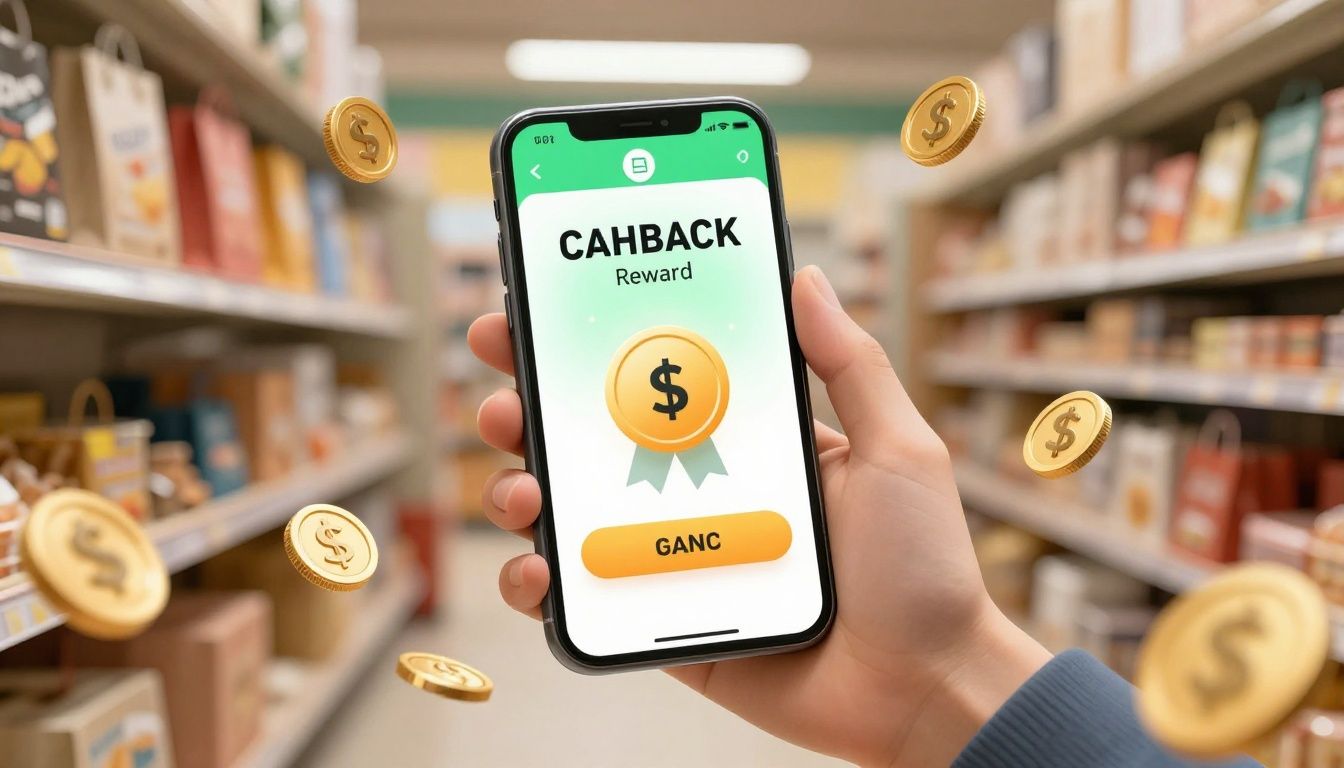
Reducing customer acquisition costs (CAC) through performance marketing
Businesses often find that traditional advertising yields diminishing returns due to market saturation. Performance-based incentives solve this by ensuring that marketing funds are only expended when a sale is finalized. This model naturally tightens the budget, allowing companies to allocate resources toward customers who demonstrate high purchase intent.
Leveraging affiliate tracking technology for measurable ROI
Tracking technology provides the necessary transparency to calculate the return on investment for each incentive offered. Advertisers can monitor the journey from campaign exposure to completion through several distinct mechanisms:
-
Attribution tracking codes that identify the specific traffic source for every sale.
-
Conversion pixel monitoring to ensure that payouts occur only post-transaction.
-
Real-time logging of individual user actions to verify eligibility within the reward structure.
-
Automated auditing of transaction status to prevent duplicate or invalid payouts.
This precision allows brands to refine their outreach strategies based on hard data rather than speculative estimates.
Incentivizing first-time purchases with aggressive cash returns
First impressions drive long-term engagement, making the initial transaction a critical stage for brand loyalty. By offering competitive rebates on a user’s first purchase through the Save Club, businesses effectively lower the psychological barrier to trying a new brand. This tactic, known as a penetration incentive, serves to convert interest into a proven history of positive transactions between the retailer and the new customer.
The psychological appeal of cashback rewards
Financial stress can alter how the human brain processes reward and effort. When a consumer receives an immediate, predictable payout after a routine action, the brain’s striatum registers this as a success, which helps mitigate feelings of learned helplessness. These tools prioritize the development of measurable and immediate micro-rewards to reinforce positive habits.

Framing spending as “earning” to lower shopping friction
By reclassifying expenditure as an opportunity for gain, consumers feel more in control of their financial footprint. This mental reframing reduces the guilt often associated with consumption, as the cashback component validates the purchase as a net positive event. It effectively transforms a passive drain on funds into a proactive exercise in accumulation.
Building long-term brand loyalty via recurring incentives
Consistency provides the cornerstone of brand loyalty in a crowded marketplace. When consumers encounter reliable and recurring rewards, they are more likely to return to familiar channels, treating the platform as a trusted financial partner rather than a simple storefront.
| Reward Structure | User Retention Rate | Benefit Summary |
| :— | :— | :— | :— |
| Monthly Rebates | 45% | Keeps brand top-of-mind |
| Purchase Milestones | 62% | Encourages repeated behavior |
| Tiered Status Upgrades | 78% | High customer lifetime value |
These metrics demonstrate why recurring incentives outperform one-time promotional bursts in sustained audience engagement.
Combatting decision fatigue at the point of sale
Decision fatigue depletes the mental stamina needed to navigate complex purchasing environments. Simplified incentive structures allow consumers to complete transactions without needing to analyze multiple conflicting coupon codes. This clarity reduces friction and encourages users to complete their shopping journeys without abandoning their carts.
Data-driven marketing through cashback platforms
Platforms centered on financial incentives provide high-granularity data points about where, when, and how consumers spend their available funds. Access to this information allows for a more personalized shopping experience, ensuring that users see offers that align with their actual historical behavior. Implementing the Thirty Day Campaign – Let Wealth Go Viral™ creates a structured method for utilizing this data to systematically turn fragmented reward programs into a cohesive income strategy.
Tracking consumer purchase journeys across fragmented channels
Individual consumers often move across disparate websites and mobile applications when finalizing a purchase. Cashback platforms connect these silos, assigning a consistent identity to the buyer regardless of the initial touchpoint. This unified tracking enables a holistic view of the full customer journey.
Enriching marketing profiles with real-world transactional data
Profiles built on real-world spending provide far more accuracy than those relying on demographic assumptions or survey data. Because this data reflects actual currency movement, marketers gain a clear understanding of brand affinity, frequency of purchase, and budget availability without guessing consumer intent.
Privacy-conscious personalization strategies
Modern systems prioritize data protection while maintaining the quality of the personalized offers sent to user accounts. By utilizing anonymized transaction hashing, platforms provide the benefits of tailored recommendations without exposing sensitive personal identifiers. This approach builds trust with the consumer base, ensuring that personalization remains an enhancement of the user experience rather than an intrusion.
The shift in advertising budget allocation
Marketers are re-evaluating the efficacy of traditional advertising spend compared to direct, performance-linked channels. The trend is moving away from broad awareness campaigns that fail to track incremental growth. Instead, there is a distinct preference for cash back credit cards and similar intent-based pathways where the cost per acquisition is clearly defined and inherently measurable.
Moving funds from social media ads to intent-based cashback platforms
Social media advertising often struggles to link an ad click directly to a physical store purchase. Transactional platforms, however, bridge this gap by providing an immediate, verifiable link between the marketing message and the final sale. This clarity allows for easier justification of budget allocation for stakeholders.
The rise of card-linked offers as a high-conversion channel
Card-linked offers bypass the need for tedious manual entry, triggering rewards automatically at the point of card interaction. This functionality is inherently more user-friendly and leads to higher conversion rates among shoppers who prefer a seamless checkout process. By meeting the user exactly where they interact with their financial products, companies ensure their incentives reach an audience that has already demonstrated high purchase propensity.
Quantifying the impact of cashback on incremental revenue
Determining the actual lift provided by a specific campaign requires sophisticated modeling that isolates the impact of the incentive from organic demand. By testing control groups against those receiving rewards, companies can quantify how much revenue is generated that would not have existed otherwise. This analysis proves that well-targeted programs directly contribute to net profit growth rather than simply shifting existing sales to a different cost structure.
Conclusion
The move toward automated incentive structures signifies a fundamental change in how financial growth and retail engagement interact for the modern consumer. By relying on immediate feedback loops, businesses and individuals alike can build systems that move beyond traditional, stressful approaches to managing personal finances. Success in this new environment does not require a massive, distant windfall; instead, it demands a disciplined focus on small, consistent gains that reinforce the validity of our efforts over time.
Frequently Asked Questions
How does a cashback program generate actual savings for the user?
Cashback programs work by returning a percentage of the purchase total back to the user after a transaction is completed. This is often processed as a statement credit or a direct transfer, which effectively reduces the net cost of the item purchased.
Are there specific eligibility requirements to earn rewards?
Most platforms require an active account and the use of authorized links or payment methods to track the purchase. Some retailers may exclude specific product categories, such as gift cards or tax-inclusive totals, so checking the terms is always recommended.
Does participating in these programs impact my credit score?
Standard participation in cashback shopping portals does not require a credit check and typically has no impact on your credit score. However, applying for new financial products, such as a rewards credit card, will involve a credit inquiry.
Can I stack multiple rewards on a single purchase?
Yes, many users combine multiple incentive layers like store-provided discounts, portal-linked rewards, and credit card percent-back categories. Stacking is a common strategy used to maximize the total value retrieved from a single transaction.
Why do merchants offer cashback instead of lowering prices?
Offering incentives allows merchants to influence specific buying behaviors or target customer segments without permanently marking down product prices. This maintains brand value while still providing an attractive reason for the consumer to choose them over a competitor.
How long does it usually take for rewards to process?
Processing times can vary significantly depending on the retailer and the verification requirements for each transaction. It can often take several weeks to confirm that an item was not returned or canceled before the reward is finally released to the user’s account.
Is the money earned through these programs considered taxable income?
Generally, cashback rewards are viewed by tax authorities as a discount or a rebate on a purchase rather than income. Because the money is a return on your own previous spending, it typically does not need to be reported as taxable revenue.